

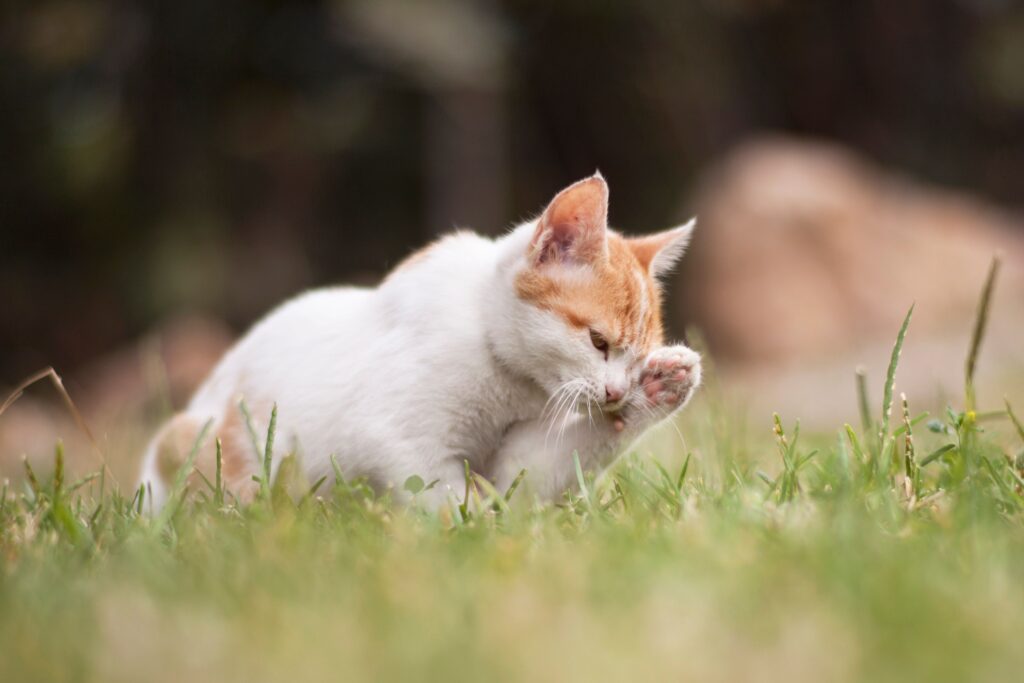
How Can I Soothe My Cat’s Itchy Skin Home Remedies: A Comprehensive Veterinary Guide
Quick Answer
Feline pruritus (the medical term for itching) is one of the most frequent reasons cat owners seek veterinary care. Watching your feline companion constantly scratch, bite, or lick their fur can be distressing. While underlying causes range from simple environmental dryness to complex immune-mediated allergies, immediate, safe home comfort measures can help calm inflamed tissue while you arrange a professional medical diagnostic plan.
Key Takeaways
- Safety First: Never apply human anti-itch creams, essential oils, or tea tree oil; these are toxic to feline hepatic metabolism.
- Cool Compresses: Plain steeped and cooled chamomile or green tea provides natural, anti-inflammatory topical relief.
- Barrier Support: Oral marine-derived Omega-3 fatty acids (EPA/DHA) support long-term epidermal barrier repair.
- Grooming Guard: Use temporary soft recovery cones or suits if self-mutilation and raw bleeding occur.
- Root Cause: Home remedies soothe symptoms but do not cure underlying parasitic, bacterial, or allergic diseases.
Clinical Case Experience: Meeting “Oliver”
Upon clinical examination and skin scrapings, Oliver was diagnosed with Flea Allergy Dermatitis (FAD)—despite being an indoor cat—compounded by secondary bacterial pyoderma. Once we ceased unsafe home topicals, instituted strict feline-specific spot-on parasiticides, prescribed a brief course of targeted antibiotics, and implemented cool green tea compresses alongside oral fish oil, Oliver’s skin barrier normalized within four weeks. This case highlights why safety and accurate diagnostics must guide home interventions.
Recognizing Feline Pruritus Symptoms
Feline skin disease often hides beneath dense coat fur. Recognizing early signs of distress prevents severe skin trauma and secondary infections.
- Over-grooming and Barbering: Continuous licking leading to symmetrical hair loss (alopecia), often on the belly or inner thighs.
- Miliary Dermatitis: Scabbed, crusted, tiny papules scattered across the spine and neck region.
- Excoriations: Open scratch wounds and linear gouges caused by sharp claws.
- Erythema: Generalized or localized redness and localized heat on the skin surface.
- Aural Signs: Persistent head shaking, ear scratch reflexes, or brown discharge inside the pinnae.
Causes of Itchy Skin in Cats
Understanding the exact trigger is essential for long-term resolution. Addressing an itchy cat requires systematically evaluating potential medical culprits.
| Category | Specific Etiology | Clinical Characteristics |
|---|---|---|
| Parasitic | Ctenocephalides felis (Fleas), Otodectes (Ear Mites), Cheyletiella | Tail-base itching, pepper-like flea dirt, intense ear scratch reflex. Common when evaluating a cat itching no fleas visible initially. |
| Allergic (Atopy) | Environmental pollens, mold spores, storage mites, dust mites | Seasonal flaring, facial rubbing, paw licking, ventral abdominal erythema. |
| Adverse Food Reaction | Proteins (Beef, Fish, Dairy, Chicken) | Non-seasonal itching, head and neck pruritus, frequent soft stool or vomiting. |
| Infectious | Microsporum canis (Ringworm), Staphylococcus, Malassezia yeast | Circular hair loss, scaling, broken hair shafts, greasy odorous patches. Related to broader cat skin conditions. |
| Environmental/Dryness | Low indoor humidity, over-bathing, harsh home chemicals | Flaky dander, dull coat, mild diffuse itch without major inflammation. |
Risk Factors
Cats with compromised immune systems, outdoor access, dense undercoats, or pre-existing metabolic conditions (like hyperthyroidism) carry a higher statistical risk for chronic cat skin diseases with pictures documented in diagnostic literature.
Veterinary Examination & Diagnostic Protocols
Because many cats itching share identical clinical presentations, definitive laboratory diagnostics prevent misdiagnosis and inappropriate drug administration.
Diagnostic Testing Framework
- Flea Comb Test: Gathering debris onto wet white paper towels; red bleeding confirms flea excrement.
- Skin Cytology: Pressing clear tape or slides onto skin to identify bacterial cocci or budding yeast organisms under microscopic high-power fields.
- Skin Scrapings: Mineral oil slide preparations assessing microscopic Demodex or Cheyletiella mites.
- Fungal Culture (DTM): Inoculating coat hairs onto dermatophyte test medium to check for ringworm fungal growth.
- Hypoallergenic Novel/Hydrolyzed Diet Trial: The gold standard for identifying food-protein hypersensitivities.
Vet-Approved Home Remedies to Soothe Itchy Skin
When asking how can I soothe my cat’s itchy skin home remedies, safety must remain the top priority. Cats lick their bodies thoroughly, meaning anything placed on their skin will be ingested.
1. Cool Herbal Tea Compresses
Chamomile and green tea contain natural polyphenols and tannic acid, which reduce vascular dilation and soothe localized tissue inflammation.
- Steep two pure chamomile or green tea bags in hot water for 10 minutes. Ensure no additives, flavorings, or caffeine are present.
- Allow the liquid to cool completely in the refrigerator.
- Soak a clean microfiber cloth in the chilled tea, wring out excess moisture, and gently press against raw skin patches for 3 to 5 minutes.
- Repeat 2–3 times daily.
2. Colloidal Oatmeal Soaks or Spot Baths
Colloidal oatmeal contains avenanthramides, natural anti-inflammatory compounds that coat and protect damaged skin barriers. If considering bathing, use a dedicated cat shampoo for itchy skin formulation specifically designed for feline epidermal pH.
3. Oral Omega-3 Fatty Acids
High-grade marine lipid oils (eicosapentaenoic acid [EPA] and docosahexaenoic acid [DHA]) alter cell membrane phospholipid composition, naturally suppressing inflammatory leukotriene pathways.
Medical Treatments & Prescription Options
When natural approaches do not suffice, veterinary prescription pharmaceuticals target deep-seated immunological cascades responsible for constant discomfort.
Prescription Medication Overview
- Glucocorticoids (Prednisolone): Offers rapid itch relief during acute flare-ups. Used short-term to avoid metabolic side effects.
- Cyclosporine (Atopica for Cats): An immunomodulatory agent that selectively inhibits T-lymphocyte activation for chronic atopic dermatitis.
- Isoxazoline Class Parasiticides: Modern, highly effective spot-on treatments eliminating resistant ectoparasites.
- Targeted Antimicrobials: Systemic antibiotics (e.g., Cefovecin or Amoxicillin-Clavulanate) prescribed when scratch wounds develop secondary staphylococcal infections.
Nutrition and Cutaneous Barrier Support
Skin cells replace themselves rapidly. Providing precise nutritional building blocks allows damaged tissue to heal from the inside out.
- Hydrolyzed Protein Diets: Proteins broken down below 10,000 Daltons to bypass immune recognition in sensitive cats.
- Novel Protein Diets: Introducing intact proteins the cat has never consumed before (e.g., Venison, Rabbit, Duck).
- Essential Fatty Acids: High concentrations of linoleic acid support intercellular lipid lamellae, locking in natural hydration.
Step-by-Step Home Care Plan for an Itchy Cat
- Prevent Physical Trauma (Day 1): Place a soft fabric Elizabethan collar or flexible surgical suit on your cat to stop self-mutilation immediately.
- Topical Cooling (Days 1–5): Apply cold green tea compresses to localized red spots twice daily for 5 minutes.
- Environmental Cleanup (Days 1–3): Vacuum all carpets, wash bedding in hot water with dye-free detergent, and run HEPA air filters.
- Barrier Restoration (Day 3 Onward): Start daily veterinary-recommended Omega-3 fish oil and transition onto a strict hypoallergenic diet.
Product Evaluation Categories for Feline Skin Relief
Evaluating commercial products requires balancing safety, ease of application, and ingredient quality.
| Product Category | Pros | Cons | Selection Criteria |
|---|---|---|---|
| Marine Omega-3 Oils | Systemic anti-inflammatory; long-term safety; coat enhancement. | Requires 4-6 weeks for full effect; potential fishy odor. | Look for molecularly distilled, third-party tested salmon or anchovy oil bottled in dark glass. |
| Leave-In Hypoallergenic Sprays | Direct localized relief; easy targeted application. | Cats dislike spray bottle sounds; potential grooming removal. | Choose fragrance-free formulations containing ceramides or avenanthramides; avoid alcohol. |
| Hypoallergenic Diets | Eliminates primary food allergen triggers; balanced long-term nutrition. | Higher cost; requires strict adherence without additional treats. | Select single-source novel or hydrolyzed protein formulas meeting AAFCO standards. |
Prevention and Common Mistakes Pet Owners Make
Top 4 Mistakes to Avoid
- Assuming “Indoor Cats Can’t Get Fleas”: Fleas can easily enter homes on shoes, clothes, or other pets, triggering severe reactions in sensitive cats.
- Using Human Anti-Itch Products: Applying human lotions containing zinc oxide, hydrocortisone, or NSAIDs can lead to toxic ingestion during grooming.
- Frequent Bathing with Harsh Soaps: Over-washing strips natural skin oils, worsening dryness and scaling. Explore proper techniques on how can i soothe my cats itchy skin home remedies before bathing.
- Stopping Allergy Treatments Early: Discontinuing prescribed therapies as soon as itching decreases often causes immediate relapse.
Recovery Timeline & Emergency Signs
Recovery depends heavily on the underlying cause:
- Parasitic Infections: Relief usually begins within 24–48 hours after initiating broad-spectrum parasiticides. Full skin healing takes 2–3 weeks.
- Food Allergies: Dietary elimination trials require 8 to 12 weeks for total cutaneous resolution.
- Environmental Atopy: Requires ongoing seasonal management and ongoing barrier support.
Contact your veterinarian right away if you observe:
- Open, oozing wounds, ulcerated skin, or foul odors (secondary pyoderma).
- Sudden lethargy, fever, or refusal to eat for over 24 hours.
- Severe facial swelling, red inflamed eyes, or respiratory distress.
- Intense distress causing continuous crying, rolling, or aggressive self-biting.
Frequently Asked Questions
How can I soothe my cat’s itchy skin?
Soothe your cat’s itchy skin by applying a cool water rinse, using veterinary-formulated oatmeal sprays, administration of Omega-3 fatty acids, and applying a damp chamomile tea compress. Ensure year-round flea prevention and maintain proper ambient humidity.
How can I soothe my cat’s itchy skin home remedies?
Safe home remedies include cool chamomile or green tea compresses, coconut oil applied sparingly to avoid over-grooming digestions, colloidal oatmeal baths, and high-dose fish oil supplements under veterinary guidance.
How can I relieve my cat’s itchy skin?
Relieve feline skin itching by removing environmental allergens, utilizing a damp cool cloth on inflamed spots, implementing strict pest control, and switching to a hypoallergenic, novel-protein diet.
How to soothe my cat’s itchy skin?
Gently calm your cat’s skin by applying a cat-safe topical oatmeal rinse, wiping coat irritants away with water-moistened wipes, and fitting an Elizabethan collar temporarily to prevent self-mutilation.
What can I put on my cat for itchy skin?
You can apply brewed, cooled chamomile tea compresses, diluted coconut oil in minute quantities, or specialized hypoallergenic cat leave-in conditioners. Never use human hydrocortisone or essential oils.
What can I give my cat to stop itching naturally?
Give your cat high-quality marine-derived Omega-3 fatty acids (EPA/DHA) and probiotic supplements designed for felines. These natural dietary additives reduce systematic inflammation and restore the epidermal lipid barrier.
How to calm cats’ itchy skin?
Calm skin by minimizing indoor dust and mold, utilizing air purifiers, performing daily gentle brushing with a soft-bristle brush, and using cat-safe soothing sprays containing hydrocortisone 0.5% only if prescribed.
What can I give my cat for his itchy skin?
Offer dietary supplements rich in fatty acids, prescription antihistamines like chlorpheniramine (under vet instruction only), or prescription immunomodulators like cyclosporine for severe allergic disease.
What can I use to stop my cat from itching?
Use a combination of topical barrier-repair serums formulated for felines, strict monthly spot-on flea preventatives, soft protective suits or recovery collars, and HEPA air filtration.
Can I put hydrocortisone cream on my cat?
Never use human hydrocortisone cream on cats without explicit veterinary instruction. Cats ingest topical medications during grooming, which can cause gastrointestinal toxicity, organ damage, or adrenal suppression.
Is coconut oil safe for cats with itchy skin?
Virgin coconut oil is safe in extremely small, localized amounts. However, excessive application causes grooming ingestion, leading to diarrhea, pancreatitis, and greasy fur that traps environmental allergens.
Why is my cat itching so much but has no fleas?
Non-flea itching in cats is typically driven by food allergies (cutaneous adverse food reactions), environmental atopy (pollen, dust mites), fungal infections like ringworm, bacterial pyoderma, or mites like Cheyletiella.
How long does it take for home remedies to stop cat itching?
Topical compresses offer temporary relief within 15 to 30 minutes. Dietary supplements like Omega-3s take 3 to 6 weeks to rebuild the cutaneous lipid barrier and show noticeable clinical reduction in scratching.
Can apple cider vinegar be used on cat skin?
Apple cider vinegar is not recommended for cats. It is highly acidic and stings open raw skin, causes severe stress, and can lead to gastrointestinal distress if licked off during grooming.
When is cat skin itching considered a medical emergency?
Itching becomes urgent if accompanied by widespread open bleeding sores, foul-smelling pus, facial swelling, lethargy, loss of appetite, or severe vocalizations during grooming.
Scientific Veterinary References & External Resources
This comprehensive veterinary guide integrates clinical consensus and diagnostic standards established in core veterinary medical literature:
- Miller, W. H., Griffin, C. E., & Campbell, K. L. (2013). Muller and Kirk’s Small Animal Dermatology (7th ed.). Elsevier Health Sciences.
- Noli, C., Foster, A., & Rosenkrantz, W. (2014). Veterinary Allergy. Wiley-Blackwell.
- Little, S. E. (2012). The Cat: Clinical Medicine and Management. Elsevier Health Sciences.
Authoritative Online Resources
For additional clinical guidelines, consult established organizations in veterinary science:
- American Animal Hospital Association (AAHA)
- American Veterinary Medical Association (AVMA)
- World Small Animal Veterinary Association (WSAVA)
- Merck Veterinary Manual
